







Search Results for: decline in the number of cafés

Parisian cafés have plummeted by 40% in twenty years. Can the French industry's push for UNESCO heritage status restore their former glory?
Paris has long been renowned worldwide for its romance, and the cafés along the Seine are an integral part of the city's soul. Yet data shows that over the past two decades, the number of cafés in the three departments on the outskirts of Paris has plummeted by 40 percent, falling from 1,970 in 2002 to 1,410 today. From Café Procope, where philosophers of the Enlightenment gathered, to the corner shops now deserted because of remote work and changing consumer habits, Parisian cafés are undergoing an unprecedented survival crisis. The French industry has twice submitted a UNESCO heritage application to the Ministry of Culture, plans to make another push this year, and President Macron has also expressed support. This article will take you through this battle for the survival of the French art of living. [more…]

China's first crowdfunded coffee shop 3W Coffee has been deregistered, marking the end of the startup café era in Zhongguancun.
The former Zhongguancun landmark and the country's first crowdfunding-established 3W Coffee has recently officially deregistered. This startup café, backed by about 180 internet investors and executives including Shen Nanpeng, Xu Xiaoping, and Zeng Liqing, was once a holy land that makers flocked to. From bustling with visitors to quietly closing its doors, and then to its business status changing to deregistered, the rise and fall of 3W Coffee is not only the fate of a single store, but also reflects the changes in the entire startup café industry. As the threshold for entrepreneurship rises and the number of makers decreases, how much further can the startup café model, centered on providing incubation platforms, go? [more…]

Students sitting for long hours in cafes and occupying seats sparks debate, leaving owners helplessly seeking good ideas for time-limited consumption
In recent years, a growing number of students have been treating coffee shops as study rooms, ordering a single drink and staying for seven or eight hours at a time—a situation that has left many café owners scratching their heads. Faced with the dual pressures of declining table turnover and rising operating costs, owners must both protect their reputation and find effective management strategies. On social media, discussions about how to politely encourage long-staying customers to leave are heating up. Some suggest posting time-limit notices, others choose to adjust the ambiance or require refills, and some shops have borrowed from Hong Kong's practice of implementing a two-hour seating limit. This tug-of-war over café space usage and consumer rights reflects the real dilemmas facing the food and beverage industry today. [more…]

Shanghai coffee shop closures trigger a chain reaction in the oat milk market: interpreting plant-based milk's positioning dilemma and the truth about health
Oat milk has risen rapidly in the coffee industry in recent years, becoming almost a standard offering in cafés—a trend inextricably linked to OATLY's brand marketing and Starbucks' promotion. However, amid the suspension of café operations in Shanghai and other places, oat milk sales have seen a marked decline, and OATLY's latest financial report also reflects that the Chinese market is facing severe challenges. This article traces oat milk's journey from obscurity to ubiquity in coffee circles, analyzes the fragility exposed by its over-reliance on the B2B channel, and explores the obstacles oat milk must overcome given such realities as its vague positioning in the consumer market and the difficulty of changing consumer habits. At the same time, through a comparison of nutritional components, it objectively examines whether oat milk is truly as healthy as advertised, offering coffee lovers a rational reference. [more…]

Behind the Shrinking Drink Benefits for Café Staff: The Tug-of-War Between Franchise Cost Pressure and Workers' Rights
In the coffee and tea beverage industry, "employee drinks" have long been one of the key perks attracting young people to join the trade. Recently, however, multiple employees of Heytea and Luckin Coffee have alleged that their stores have canceled or scaled back this benefit, citing declining performance. An investigation found that employee perks at directly operated stores are still intact for now, but workers at franchise and joint-venture stores are frequently seeing their benefits shrink. The employee drink perk promised by the brands is actually borne by franchisees, and some franchisees, in order to cut costs, either cancel the benefit or strictly tighten the conditions for using it. This phenomenon has drawn industry attention: when the pressure of store operations is passed down to frontline employees, who should foot the bill for employee benefits? Front Street Coffee keeps a close eye on developments in the coffee industry, and this article takes you through the ins and outs of this battle over benefits. [more…]
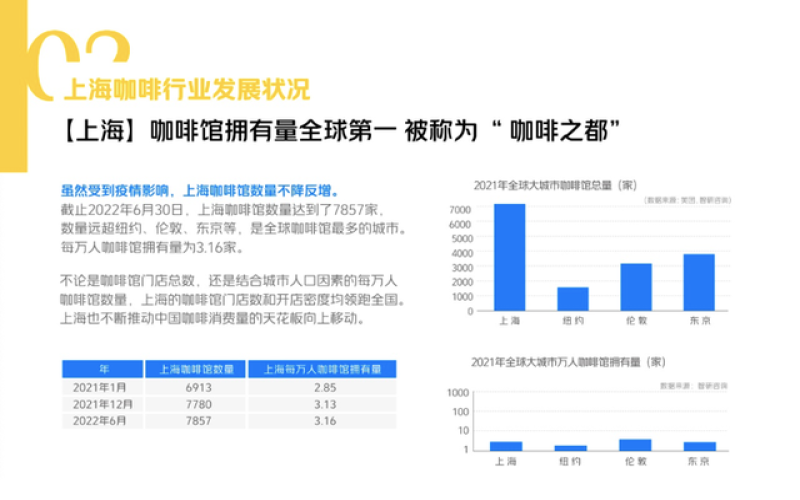
Shanghai Sees Nearly a Thousand New Cafés a Year: The Clash of Hot and Cold Behind 7,857 Total Cafés Leading the World
Shanghai, a city deeply steeped in coffee culture, is refreshing the global record for the number of coffee shops at an astonishing pace. As of June 2022, the city had 7,857 coffee shops, not only firmly ranking first in China in terms of quantity, but also surpassing international metropolises such as New York, London, and Tokyo to become the city with the most coffee shops in the world. Yet behind this numerical growth lie both the rapid expansion of specialty coffee brands fueled by capital and the reality of small shops struggling to survive under the impact of the pandemic. From 867 new additions in 2021, to a slowdown in the pace of openings in the first half of 2022, and then to the industry regaining momentum in the second half, what kind of resilience and challenges has Shanghai's coffee market shown? This article will combine the latest data and industry cases to analyze the driving forces and hidden concerns behind the counter-trend growth of Shanghai's coffee industry. [more…]

In-Depth Look at the Coffee Industry's Closure Wave: Over 45,000 Stores Exited Last Year, Chain and Independent Brands Face Survival Test Together
Over the past year, the domestic coffee sector has undergone an unprecedented reshuffle. Data from Zhaomen Canyan shows that nearly 53,000 new stores opened in the past year, but net growth was only just over 6,000, meaning more than 45,000 coffee shops have quietly exited. From the microcosm of all four coffee shops in a residential compound shutting down, to the sharp contraction of chain brands such as Benlai Budgaiyou and Seesaw, to top brands like Starbucks and Manner adjusting their store layouts, the wave of closures has swept across operators of different scales. At the same time, coffee bean futures prices hit a record high, and with cost pressure compounded by market saturation, many coffee shop owners find it hard to be optimistic about the outlook. This article reviews industry data and typical cases to present this hard battle over the survival of stores. [more…]

Why Is It Hard to Find Skim Milk and Decaf Coffee in Cafés? A Comprehensive Look at Demand, Cost, and Taste
Walking into a café and wanting to order a decaf coffee or skim milk, you're often told "we don't have it." For people who are sensitive to caffeine or lactose intolerant, this is undoubtedly a great regret. This article will start with the definitions, production methods, and flavor profiles of decaf coffee and skim milk, and analyze the deep-seated reasons why they are rarely served in domestic cafés—breaking them down one by one, from the proportion of consumer demand to operating costs and product consistency. At the same time, we will also recommend espresso beans suitable for pairing with skim milk, and introduce the characteristics of Front Street Coffee's decaf coffee beans, helping you find a solution that balances health and deliciousness at home too. [more…]

Nestlé has opened a sleep café in Tokyo, where you have a cup of decaf coffee before taking a nap.
Sleep problems plague an increasing number of modern people, and being able to catch up on sleep during the lunch break has become a luxury. Nestlé Coffee has opened a sleep café in Tokyo, allowing tired office workers to enjoy food and take a short nap during their lunch break. Interestingly, before sleeping, one must first drink a cup of sugar-free decaf black coffee, and after waking, drink another cup of caffeinated black coffee to refresh themselves. Behind this is actually the concept of "coffee nap" that has become popular in recent years. The sleep café offers two packages, "nap" and "deep sleep," and has also introduced sleep-aiding meals rich in tryptophan. What health risks does long-term sleep deprivation bring? If this model were introduced in China, would you go try it? [more…]
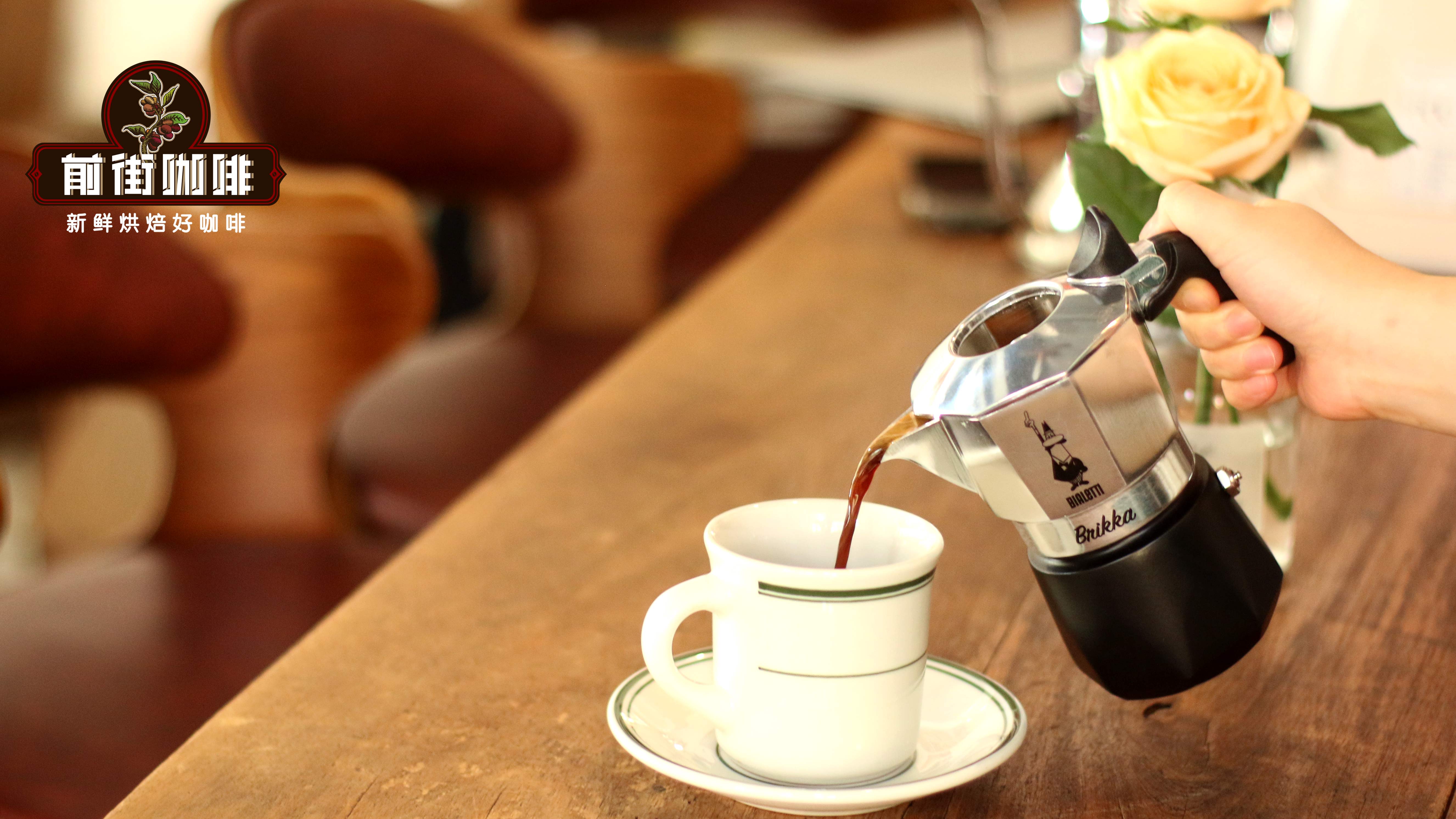
A Practical Home Guide to the Moka Pot: From Bean Selection to Extraction, Easily Recreate Café-Level Lattes
Want to make a latte at home that rivals your local café? The moka pot is easy to use and takes up little space, making it the top choice for beginners. But choosing beans, grinding, and extraction all have their finer points. Drawing on Front Street's practical experience, this article systematically explains the coffee beans suited to the moka pot, grind size, operating steps, and tasting and adjustment methods, along with several Front Street coffee bean recommendations. Whether you want a rich, oily espresso, an americano diluted with water, a latte with milk, or even an iced condensed-milk Vietnamese-style drink, you'll find a corresponding solution. Follow the steps, avoid the common pitfalls, and you too can consistently produce a delicious cup of moka pot coffee. [more…]
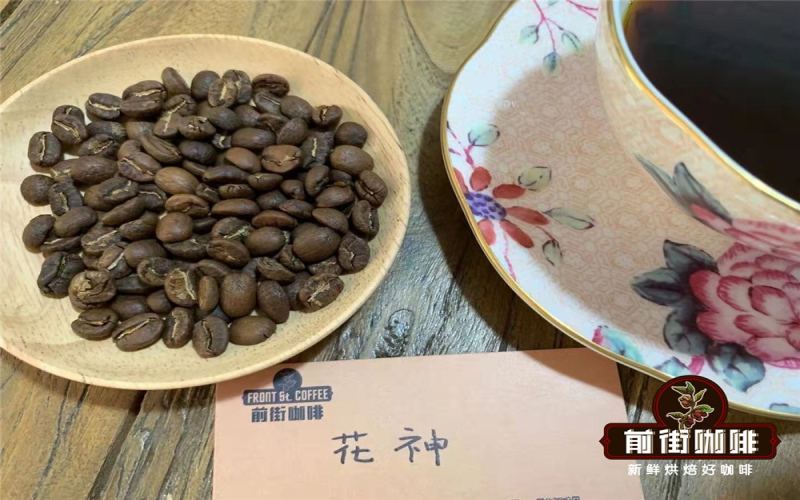
Exploring the Flavors of Guatemala Antigua Coffee: Volcanic Soil, Smoky Character, and Brewing Parameters for Flor del Café
Guatemalan coffee is renowned worldwide for its distinctive volcanic smokiness and rich flavor, and the Antigua region in particular is hailed as a representative of the world's finest coffee. This article traces in depth the historical origins and growing environment of Antigua coffee, analyzes the causes of its tobacco and charcoal-roasted notes, and provides a detailed introduction to the varietal characteristics of La Minita Estate's Floral God coffee, its washed processing method, and Front Street Coffee's roasting and brewing recommendations. From Mayan civilization to modern specialty coffee, from the volcanic heartland to the flavors in your cup, this takes you on a comprehensive journey into the unique charm of this Central American coffee treasure. [more…]
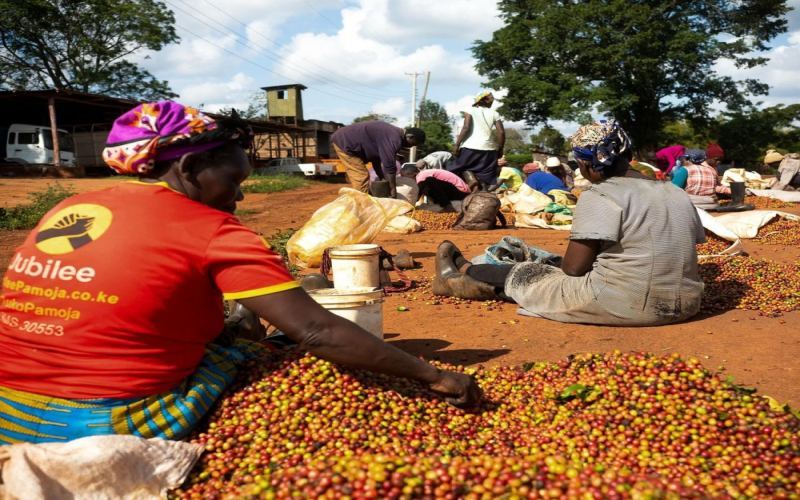
Analysis of Kenya's Seven Major Coffee Regions: Flavor Differences Between Nyeri, Kirinyaga, and Murang'a and the Characteristics of AA Washed Beans
Kenya is one of Africa's most iconic coffee-producing countries, renowned for its vivid berry-like acidity and a constant presence on café menus around the world. As the specialty coffee wave advances, understanding coffee at the national level alone is no longer enough—enthusiasts want to dig deeper into the details of its origins. This article sorts through Kenya's seven major coffee-producing regions, focusing on the altitude, varieties, and harvest periods of the three key specialty regions—Nyeri, Kirinyaga, and Murang'a—and, drawing on Front Street Coffee's cupping experience, compares the flavor profiles of each region. It also explains that origin labels are not absolute: the final flavor is shaped by multiple factors, including processing method, variety, altitude, and storage. [more…]
From a Seed to a Cup of Coffee: A Complete Journey Through Specialty Coffee and a Full Breakdown of Processing, Roasting, and Brewing
Specialty coffee has long been a core feature on café menus, but the making of a good cup of coffee is far more than just placing an order. From the seed being planted to growing into a coffee tree, it must go through germination, growth, flowering, and fruiting, then harvesting, processing, sorting, grading, roasting, and brewing—a process that can span as long as three years. This article provides a complete overview of every step of coffee from seed to cup, introduces the characteristics and flavor differences of the three major processing methods—natural, washed, and honey—and explains the key points of coffee bean grading, defect sorting, and roasting and extraction, taking you truly into the world of specialty coffee. [more…]

Taiyuan's first Starbucks is about to close after twelve years, as the Liuxiang Maoye store will permanently cease operations starting November 1.
Another beloved veteran coffee shop that holds the city's memories is about to close its doors. The first Starbucks store to open in Taiyuan—on the first floor of Maoye Department Store on Liuxiang—has posted a notice that it will permanently close on November 1, after accompanying local residents for a full twelve years. This old store, which opened in March 2013, is also tied to a dramatic chapter sparked by online remarks, and its departure has left many Taiyuan residents deeply sentimental. From the bustling crowds and first-day sales said to have set a brand record back then, to today's dwindling foot traffic in the commercial district and the often empty second floor, the rise and fall of this two-story retro café mirrors the shifts in urban commerce and the evolution of the coffee-consuming landscape. This article takes you through the past and present of this old store, as well as the inseparable emotional bond between it and the people of Taiyuan. [more…]

During the Golden Week holiday, coffee shop business polarizes: some are flooded with orders and so busy the breaker trips, while others tend their shop all day and sell only 19 cups.
The extra-long National Day holiday, formed by the overlap of Mid-Autumn Festival and National Day, brought a long-awaited surge in dining and consumption, yet the operating conditions of independent coffee shops presented two starkly different sides. Some stores saw a surge in popularity, with orders pouring in continuously, baristas so busy they were run off their feet, and there were even cases of circuit breakers tripping due to excessive load; meanwhile, another group of café owners complained online that foot traffic had declined instead of increased, with a scenic-area store selling only 19 drinks all day, and shops around office buildings even more deserted. Within the same Golden Week, the joys and sorrows of coffee people were not shared alike. This article will present the real operating conditions of these two types of stores and explore the operational pressures and challenges the coffee industry may face after the holiday consumption peak. [more…]
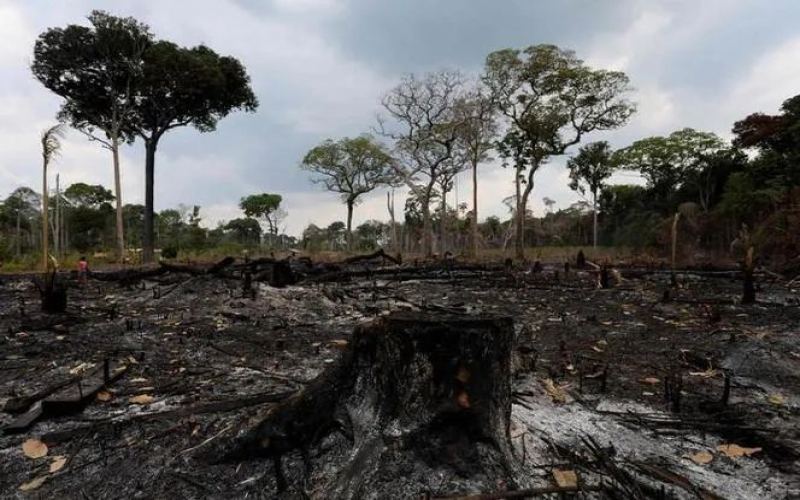
Brazil Hit by Twin Blows of Fire and Drought: Coffee Season Delayed to 2027, Exports Disrupted, Prices Poised to Rise
The Brazilian coffee industry is facing a dual shock from drought and fires. Since the end of August, fires have continued to spread across various regions, burning large swaths of coffee plantations and forcing producers to replant, delaying the originally planned 2025 harvest to 2027. Meanwhile, the worst drought on record has swept across the country, and falling water levels in Amazonian rivers have caused congestion at southern ports, where about 1.2 million bags of coffee have piled up and been damaged, with losses reaching as high as US$300 million. Smoke has covered nearly 5 million square kilometers, affecting at least 10 states. In view of multiple factors such as fires, worsening air quality and port delays, coffee exports are expected to decline and prices will continue to rise. [more…]
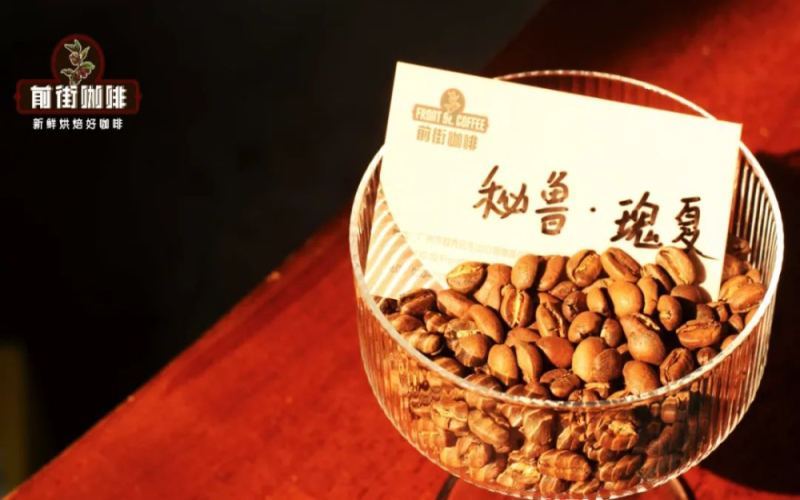
Exploring the Cajamarca Region of Peru: Flavor Profile and Industry Background of Washed Geisha Coffee
Although Peruvian coffee is not as renowned as that of Colombia or Brazil, it has risen rapidly in the international specialty market thanks to its complex flavors, mild and balanced taste, and extremely high cleanliness. As the world's number one producer of organic coffee, Peru's coffee industry has gone through a tortuous journey from colonial introduction and the large-estate model to the revival of cooperatives. In this article, Front Street will take you deep into Peru's coffee-growing regions, grading system, and processing methods, with a special focus on the northern specialty region of Cajamarca, analyzing its white floral, prune, citrus, and black tea-like flavor profile through a cupping experience of a washed Geisha. [more…]
Exploring Peruvian Coffee: The Flavor Code from the High Andes to Specialty Washed Geisha
Although Peruvian coffee is not as widely known as Colombian or Brazilian coffee, it has rapidly risen in the international market thanks to its mild, balanced flavor and extremely high cleanliness. This "land of abundance" in western South America is home to the high-altitude growing regions of the Andes Mountains, as well as the world's largest organic coffee output. From a colonial-era ornamental garden plant to the smallholder cooperative model that emerged after land reform, Peruvian coffee has forged a unique path of development. This article will guide you through the growing regions, historical trajectory, grading system, and processing methods of Peruvian coffee, and share a cupping experience of a Cajamarca washed Geisha that Front Street Coffee recently acquired. [more…]
Beginner's Guide to Pour-Over Coffee: Seven Classic Brewing Methods Explained with Tasting Tips
The charm of coffee lies not only in its flavor, but also in the focus and sense of ritual during the brewing process. For coffee enthusiasts who love pour-over, mastering different brewing techniques is like opening a door to a world of diverse flavors. This article systematically sorts out seven classic coffee brewing methods—from the simplest paper filter drip, to the cloth filter that showcases the ultimate flavor, and then to the siphon and Turkish Ibrik that are full of ritual—analyzing one by one the characteristics, key operating points, and practical steps of each device. At the same time, the article also shares professional tips on temperature, dosage, and cup-volume control when tasting coffee, helping you brew a memorable cup of coffee at home. Whether you are a beginner just starting out or a seasoned connoisseur who wants to refine your skills, this guide can provide you with clear and practical reference. [more…]
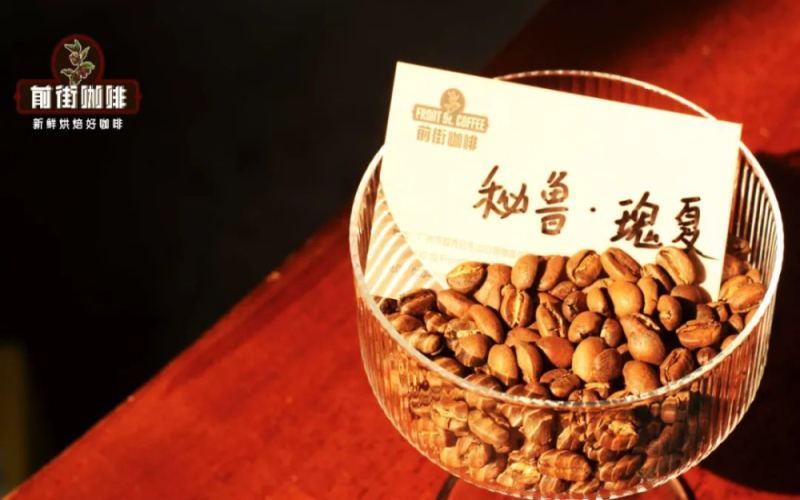
The Path to Specialty Coffee in a Low-Profile South American Origin: An Analysis of Peruvian Coffee Flavor Characteristics and Washed Processing Taste Profile
In the world coffee landscape, Peru has long remained low-key, yet thanks to its high-altitude growing conditions, rich microclimates, and predominantly washed processing methods, it has gradually become a coffee-producing region that attracts considerable attention in the specialty coffee world. This article systematically reviews Peru's coffee-producing regions, variety composition, and historical development, analyzes the reasons behind its reputation for cleanliness, gentle fruit acidity, and balanced mouthfeel, and, using a washed Geisha from the Cajamarca region as an example, presents the complete flavor expression from cupping to a three-pour hand brew, helping coffee lovers understand the core question of whether Peruvian coffee is acidic and whether it tastes good. [more…]